Leaderboard


Popular Content
Showing content with the highest reputation since 05/19/2025 in Posts
-
New USD/LOPs tutorial for anyone interested in asset authoring and composition arcs. Basically an in-depth explanation of what the component builder nodes do under the hood with some tips and tricks sprinkled in.6 points
-
There are so many nice example files on this website that I am often searching for. I wanted to use this page as a link page to other posts that I find useful, hopefully you will too. This list was started years ago, so some of the solutions may be dated. Displaced UV Mapped Tubes Particles Break Fracture Glue Bonds Render Colorized Smoke With OpenGL Rop Moon DEM Data Creates Model Python Script Make A Belly Bounce Helicopter Dust Effect Conform Design To Surface Benjamin Button Intro Sequence UV Style Mapping UV Box and Multiple Projection Styles Ping Pong Frame Expression Instance vs. Copy (Instance Is Faster) Particle Bug Swarm Over Vertical and Horizontal Geometry Rolling Cube Rounded Plexus Style Effect Pyro Smoke UpRes Smoke Trails From Debris Align Object Along Path Fading Trail From Moving Point Swiss Cheese VDB To Polygons Get Rid Of Mushroom Shape In Pyro Sim A Tornado Ball Of Yarn Particles Erode Surface Unroll Paper Burrow Under Brick Road Non Overlapping Copies Build Wall Brick-By-Brick FLIP Fluid Thin Sheets Smoke Colored Like Image Volumetric Spotlight Moving Geometry Using VEX Matt's Galaxy Diego's Vortex Cloud Loopable Flag In Wind Eetu's Lab <--Must See! Wolverine's Claws (Fracture By Impact) Houdini To Clarisse OBJ Exporter Skrinkwrap One Mesh Over Another Differential Growth Over Surface Blazing Fast OpenCL Smoke Solver [PYTHON]Post Process OBJ Re-Write Upon Export Rolling Clouds Ramen Noodles Basic Fracture Extrude Match Primitive Number To Point Number Grains Activate In Chunks Fracture Wooden Planks Merge Two Geometry Via Modulus Fill Font With Fluid DNA Over Model Surface VDB Morph From One Shape To Another Bend Font Along Curve Ripple Obstacle Across 3D Surface Arnold Style Light Blocker Sphere Dripping Water (cool) Exploded View Via Name Attribute VEX Get Obj Matrix Parts eetu's inflate cloth Ice Grows Over Fire Flying Bird As Particles DEM Image To Modeled Terrain Pyro Temperature Ignition Extrude Like Blender's Bevel Profile Particles Flock To And Around Obstacles BVH Carnegie Mellon Mocap Tweaker (python script) Rolling FLIP Cube Crowd Agents Follow Paths Keep Particles On Deforming Surface Particle Beam Effect Bendy Mograph Text Font Flay Technique Curly Abstract Geometry Melt Based Upon Temperature Large Ship FLIP Wake (geo driven velocity pumps) Create Holes In Geo At Point Locations Cloth Blown Apart By Wind Cloth Based Paper Confetti Denim Stitching For Fonts Model A Raspberry Crumple Piece Of Paper Instanced Forest Floor Scene FLIP pushes FEM Object Animated Crack Colorize Maya nParticles inside an Alembic Path Grows Inside Shape Steam Train Smoke From Chimney Using Buoyancy Field On RBDs In FLIP Fluid Fracture Along A Path COP Based Comet Trail eetu's Raidal FLIP Pump Drip Down Sides A Simple Tornado Point Cloud Dual Colored Smoke Grenades Particles Generate Pyro Fuel Stick RBDs To Transforming Object Convert Noise To Lines Cloth Weighs Down Wire (with snap back) Create Up Vector For Twisting Curve (i.e. loop-d-loop) VDB Gowth Effect Space Colonization Zombie L-System Vine Growth Over Trunk FLIP Fluid Erosion Of GEO Surface Vein Growth And Space Colonization Force Only Affects Particle Inside Masked Area Water Ball External Velocity Field Changes POP particle direction Bullet-Help Small Pieces Come To A Stop Lightning Around Object Effect Lightning Lies Upon Surface Of Object Fracture Reveals Object Inside Nike Triangle Shoe Effect Smoke Upres Example Julien's 2011 Volcano Rolling Pyroclastic FLIP Fluid Shape Morph (with overshoot) Object Moves Through Snow Or Mud Scene As Python Code Ramp Scale Over Time Tiggered By Effector Lattice Deforms Volume Continuous Geometric Trail Gas Enforce Boundary Mantra 2D And 3D Velocity Pass Monte Carlo Scatter Fill A Shape Crowd Seek Goal Then Stop A Bunch Of Worms Potential Field Lines Around Postive and Negative Charges Earthquake Wall Fracture Instance Animated Geometry (multiple techniques) Flip Fluid Attracted To Geometry Shape Wrap Geo Like Wrap3 Polywire or Curve Taper Number Of Points From Second Input (VEX) Bullet Custom Deformable Metal Constraint Torn Paper Edge Deflate Cube Rotate, Orient and Alignment Examples 3D Lines From 2D Image (designy) Make Curves In VEX Avalanche Smoke Effect Instant Meshes (Auto-Retopo) Duplicate Objects With VEX Polywire Lightning VEX Rotate Instances Along Curved Geometry Dual Wind RBD Leaf Blowing Automatic UV Cubic Projection (works on most shapes) RBD Scatter Over Deforming Person Mesh FLIP Through Outer Barrier To Inner Collider (collision weights) [REDSHIFT] Ground Cover Instancing Setup [REDSHIFT] Volumetric Image Based Spotlight [REDSHIFT] VEX/VOP Noise Attribute Planet [REDSHIFT] Blood Cell Blood Vessel Blood Stream [REDSHIFT] Light Volume By Material Emission Only [REDSHIFT] Python Script Images As Planes (works for Mantra Too!) [REDSHIFT] MTL To Redshift Material [REDSHIFT] Access CHOPs In Volume Material [REDSHIFT] Mesh Light Inherits Color [REDSHIFT] Color Smoke [REDSHIFT] FBX Import Helper [REDSHIFT] Terrain Instancer Height Field By Feature Dragon Smashes Complex Fractured House (wood, bricks, plaster) Controlling Animated Instances Road Through Height Field Based Terrain Tire Tread Creator For Wheels Make A Cloth Card/Sheet Follow A NULL Eye Veins Material Matt Explains Orientation Along A Curve Mesh Based Maelstrom Vortex Spiral Emit Multiple FEM Objects Over Time Pushing FEM With Pyro Spiral Motion For Wrangle Emit Dynamic Strands Pop Grains Slope, Peak and Flat Groups For Terrains Install Carnegie Mellon University BVH Mocap Into MocapBiped1 Ramp Based Taper Line Fast Velocity Smoke Emitter Flip Fill Cup Ice Cubes Float [PYTHON]Export Houdini Particles To Blender .bphys Cache Format [PYTHON] OP UNHIDE ALL (opunhide) Collision Deform Without Solver or Simulation Mograph Lines Around Geometry Waffle Cornetto Ice Cream Cone Ice Cream Cone Top Unroll Road Or Carpet Burning Fuse Ignites Fuel or Painted Fuel Ignition Painted Fuel Combustion Small Dent Impact Deformation Particle Impact Erosion or Denting Of A Surface Helicopter Landing Smoke And Particles Radial Fracture Pieces Explode Outwards Along Normal Tangent Based Rocket Launch Rolling Smoke Field Tear/Rip FLIP (H12 still works in H16) Rain Flows Over Surface Rains Water Drip Surface Splash Smoke Solver Tips & Tricks Folding Smoke Sim VEX Generated Curve For Curling Hair Copy and Align One Shape Or Object To The Primitives Of Another Object (cool setup) A Better Pop Follow Curve Setup FEM Sea Cucumber Moves Through Barrier Fracture Cloth Smoke Confinement Setup Merge multiple .OBJ directly Into A Python Node Blood In Water Smoke Dissipates When Near Collision Object Whirlpool Mesh Surface Whirlpool Velocity Motion For FLIP Simple Bacteria Single Point Falling Dust Stream Flames Flow Outside Windows Gas Blend Density Example Localized Pyro Drag (smoke comes to a stop) Granular Sheet Ripping Post Process An Export (Post Write ROP Event) Corridor Ice Spread or Growth Set Velocity On Pieces When Glue Bonds Break Water Drops Along Surface Condensation Bottle Grains Snow or Wet Sand Starter Scene A Nice Little Dissolver Turn An Image Into Smoke Fading Ripples Grid Example Stranger Things Wall Effect Face Through Rubber Wall [PYTHON]Create Nurbs Hull Shelf Tool [PYTHON] Ramp Parameter [PYTHON] On Copy OF HDA or Node Select Outside Points Of Mesh, Honor Interior Holes Sparks Along Fuse With Smoke Umbrella Rig Melt FLIP UVs Tire Burn Out Smoke Sim Flip or Pyro Voxel Estimate Expression Motorcycle or Dirt Bike Kicks Up Sand Particles Push Points Out Of A Volume [PYTHON]Cellular Automata Cave Generator Punch Dent Impact Ripple Wrinkle VEX Rotate Packed Primitive Via Intrinsic Kohuei Nakama's Effect FLIP Fluid Inside Moving Container Particles Avoid Metaball Forces FLIP Divergence Setup FLIP Transfer Color Through Simulation To Surface Morph Between Two Static Shapes As Pyro Emits Constraint Based Car Suspension Pyro Smoke Gas Disturbs Velocity Wire Solver Random Size Self Colliding Cables Fast Cheap Simple Collision Deform CHOP Based Wobble For Animated Character Slow Motion FLIP Whaitewater Avoid Stepping In Fast Pyro Emission Fast Car Tires Smoke FLIP Fluid Fills Object Epic Share Of Softbody/Grain Setups (Must see!) Balloon, Pizza, Sail, Upres Shirt, Paint Brush Create Pop Grain Geometry On-The-Fly In A DOPs Solver Varying Length Trails VEX Based Geometry Transform Determine Volume Minimum and Maximum Values Grain Upres Example Animated pintoanimation For Cloth Sims Batch Render Folder Of OBJ files Vellum Weaving Cloth Fibers Knitting Kaleidoscopic Geometry UV Image Map To Points Or Hair Color Particles Like Trapcode Particular Flat Tank Boat Track With Whitewater Orthographic Angle Font Shadow Select Every Other Primitive or Face? Printer Spits Out Roll Of Paper Unroll Paper, Map, Plans, Scroll Simple Vellum L-System Plant Basic Cancer Cell 2D Vellum Solution Vellum Animated Zero Out Stiffness To Emulate Collapse Whitewater On Pre Deformed Wave [PYTHON] Menu Callback Change Node Color Extruded Voronoi With Scale Effector Multi Material RBD Building Fracture House Collapse Spin Vellum Cloth Whirlpool Vortex Trippy Organic Line Bend Design Logo Based Domino Layout Delete Outer Fracture Pieces, Keeping Inside Pieces UV Mapped Displaced Along Length Curly Curves Slow Particle Image Advection Nebula Saw Through VDB Like Butter Fuel Based Rocket Launch With Smoke Fuel Based Rocket Launch With Smoke [upres] Deform Pyro Along Path Bend Pyro Gas Repeat Solver With RBD Collision Raining Fuel Fire Bomb City Video Tutorial Pyro Cluster Setup (Animated Moving Fuel Source) [PYTHON] Mantra .MTL File Reader (creates new materials) Pyro Dampen By Distance FLIP Fluid Sweeps Away Crowd Ragdoll Gas Repeat Solver X-Men Mystique Feather Effect Camera Frustum Geometry Culling Vellum Extrude Shape Into Cloth Wire Web Constraint Setup Pyro Smoke Font Dissolve "Up In Smoke" Helicopter Landing With Vellum Grass and Dust or Smoke Another Thin Sheet Fluid Setup Color Rain Drops Over Surface Dual Smoke Object Wand Battle Custom GasDisturb node (easy to use) Hair Driven Grass Example File Pyro Smoke With Masked Turbulence Align High Resolution Mesh With Low Resolution RBD Simulation Streaky Portal Effect Height From Luma Cracking Glass Dome, Fracture VEX Noise Types FLIP Waterwheel Fracture Brick Wall Using UVs Vellum Stacked Torn Membranes Terrain Topographical Line Curves Prepare RBD Fracture For Unreal Alembic Export Growing Ivy Solver Fix For Intermittent FLIP Surfacing Issue Extensive RBD Fracturing Thread With HIP Files Peter Quint's Pop Streams Particle Example Fracture Geometry To Release Flip Fluid Inside Procedurally Reverse Normals Vellum Culling Voronoi Shape To Shape Transition Animated Scattering Accessing Parametric UVs On A Surface Organic Hallways/Corridors Through A Mesh Smoke Particle Dissolve Along One Axis Expanding Vellum Rings That Collide With One Another Read, Fetch, or Get SOP Attribute Inside Of DOPS Broad Splash When Object Enters Water Blendshape Crowd Example [PYTHON] Replace Packed Intrinsic Geometry From Another Source Rip/Tear Part Of Paper To Reveal And Roll Up After Effects Text Styles Cabling Mesh Surface Hanging Wires Or Cables Use Python Inside a Font Sop Brand Accurate Textures Using Karma XPU hScript asCode Microscopic Hair USD Attribute Equivalents For Preview Shader (i.e. Cd mangle) Vellum Peel Effect SOP Pyro Control Field Gas Disturbance Repair Geometry Self Intersection FLIP Follows Curve Long Winded Guide To Houdini Instancing Disable Simulations On Startup Tutorial HIP Library Use Google To Discover Attached HIP Files Useful Websites: Tokeru Houdini Houdini Vex Houdini Python Houdini Blueprints FX Thinking Rich Lord HIP Files iHoudini Qiita Ryoji Toadstorm Blog Eetu's HIP Of The Day Video Tutorials: Peter Quint Rohan Dalvi Ben Watts Design Yancy Lindquist Contained Liquids Moving Fem Thing Dent By Rigid Bodies Animating Font Profiles Swirly Trails Over Surface http://forums.odforce.net/topic/24861-atoms-video-tutorials/ http://forums.odforce.net/topic/17105-short-and-sweet-op-centric-lessons/page-5#entry127846 Entagma Johhny Farmfield Vimeo SideFX Go Procedural5 points
-
Hi! I had a presentation on our Pax Dei world generation pipeline at the Everything Procedural Conference last April. If you're interested in large scale game world generation, procedural techniques, Houdini and Unreal, take a look! https://www.youtube.com/watch?v=Vlyt8lDx-Zk&t=5s5 points
-
Hi magicians, I'm finishing a tutorial about how to create hard surface helmets procedurally in Houdini, here's a previz:5 points
-
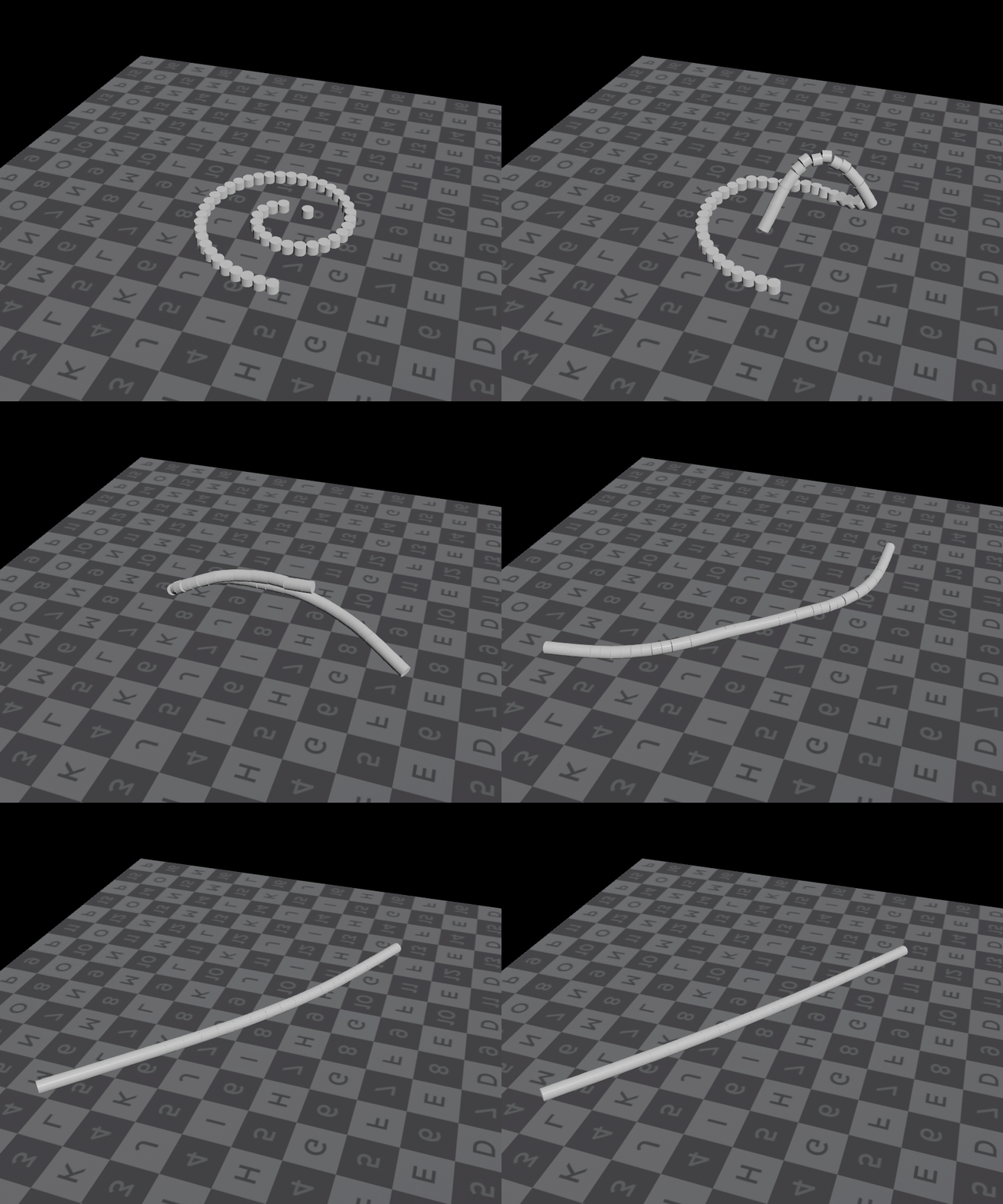
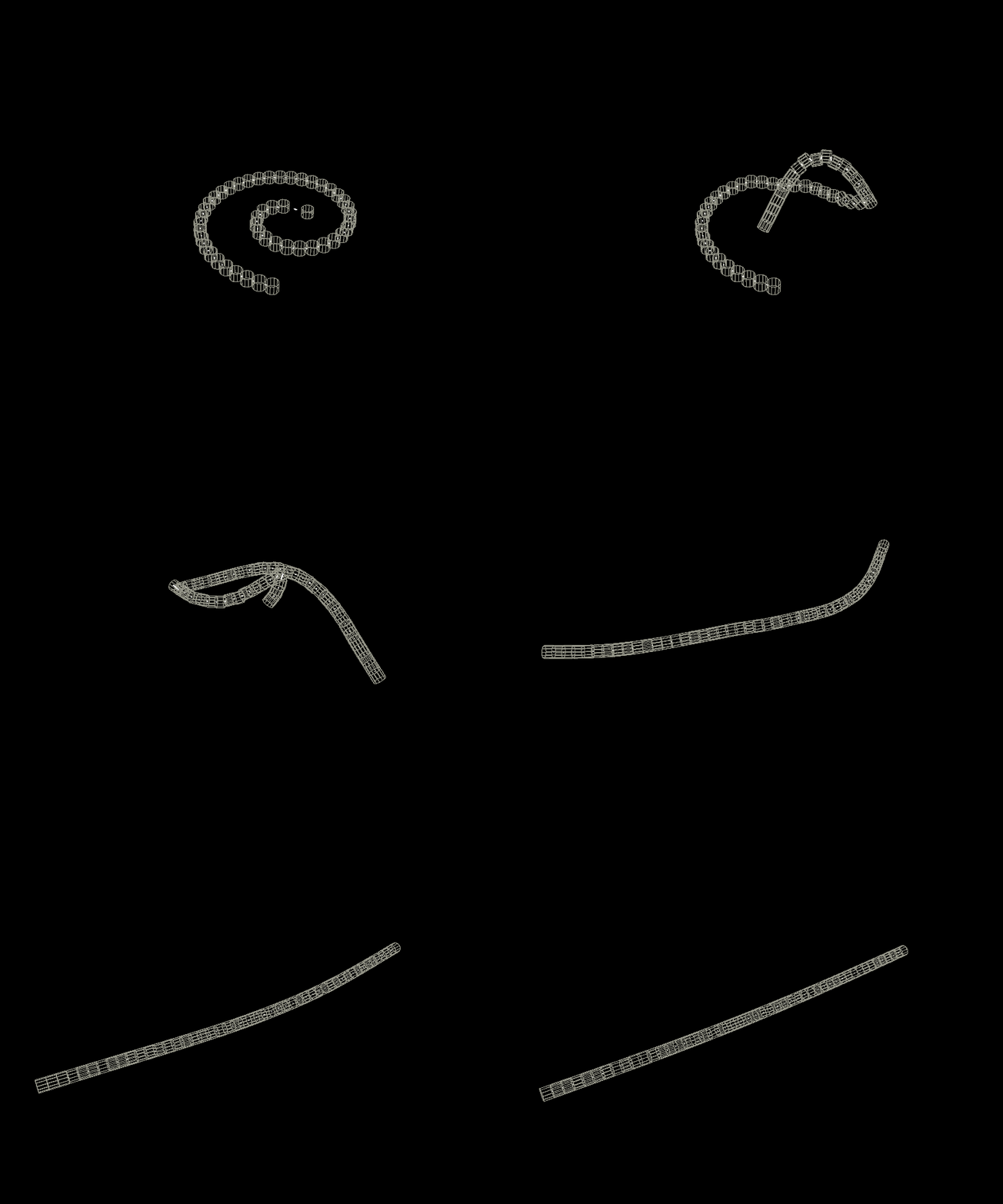
Simple way to define magnetic side initially, more fun is to find out side on fly by availability, distance etc. magnet_chain_v01.hipnc
 4 points
 -
FMX HIVE 2022 presentation by Simon Fiedler & Bastian Schiffer4 points
-
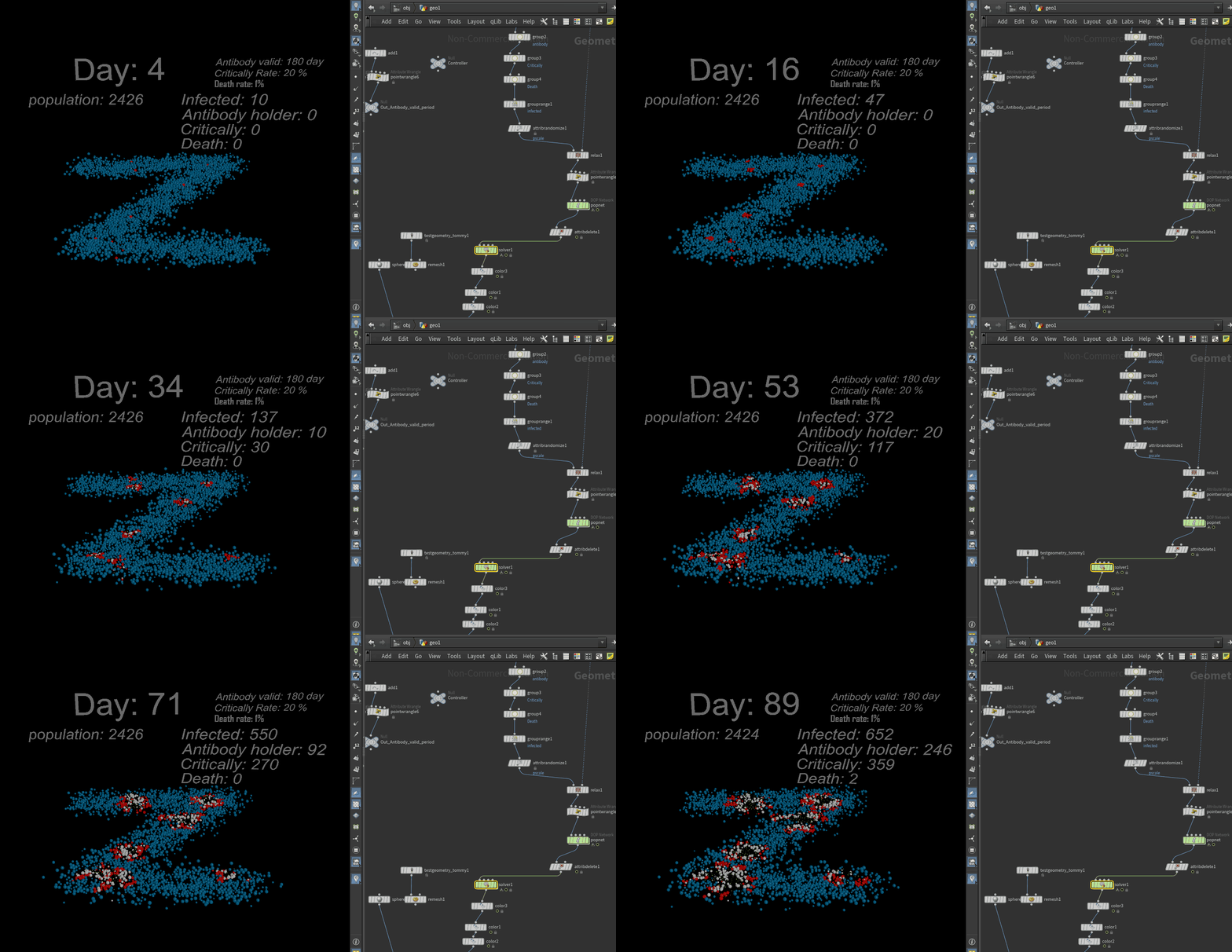
Hi, changing "Max Points" parm on attribute wrangle will be able to control speed of infection spreading. attribute_spread_v2_animated_01.hipnc4 points
-
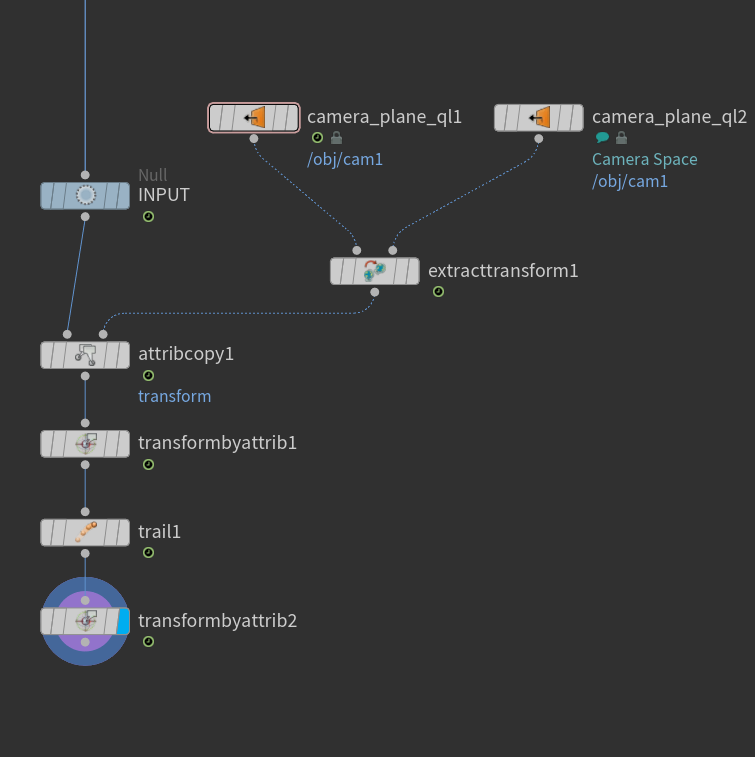
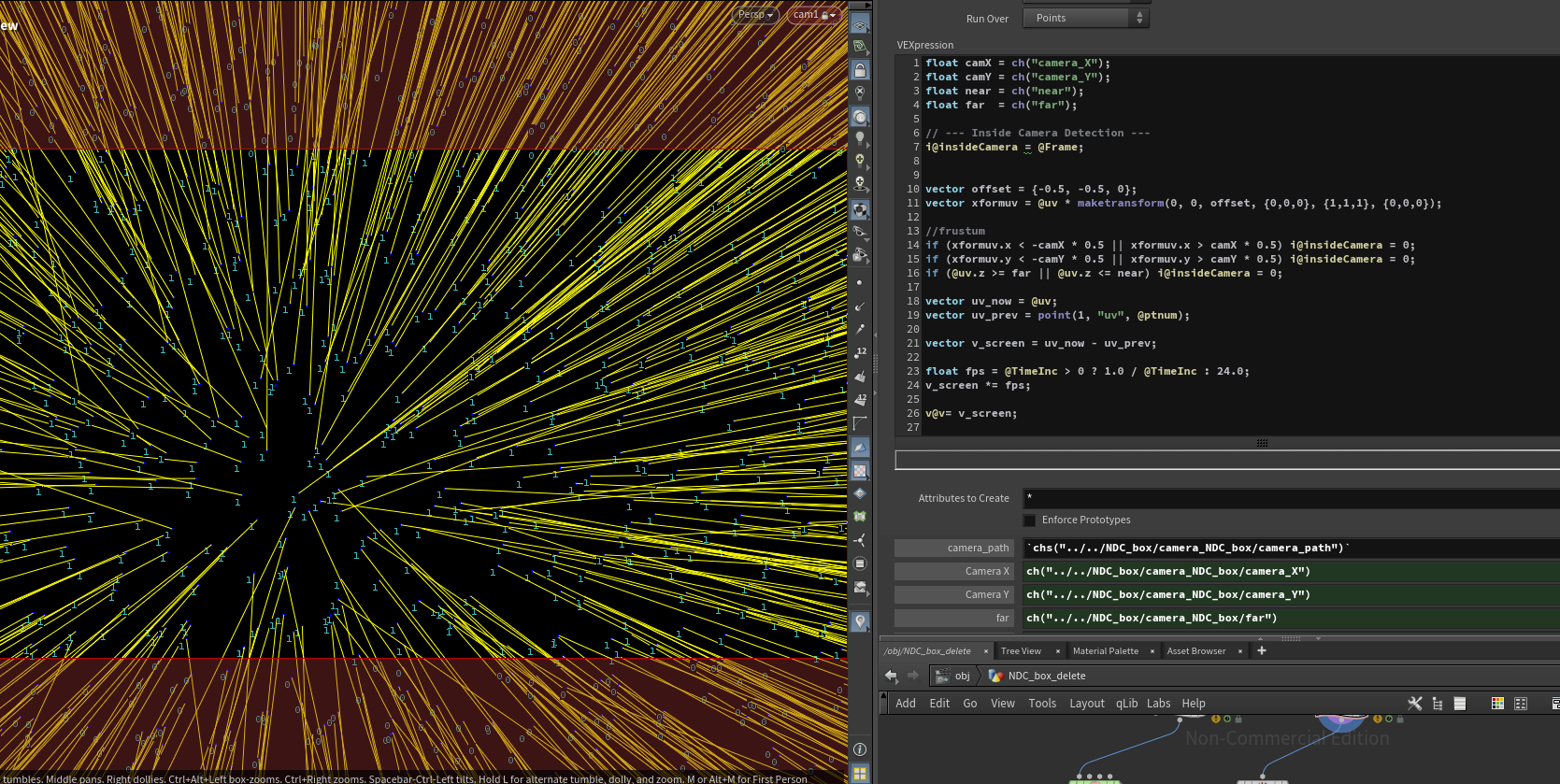
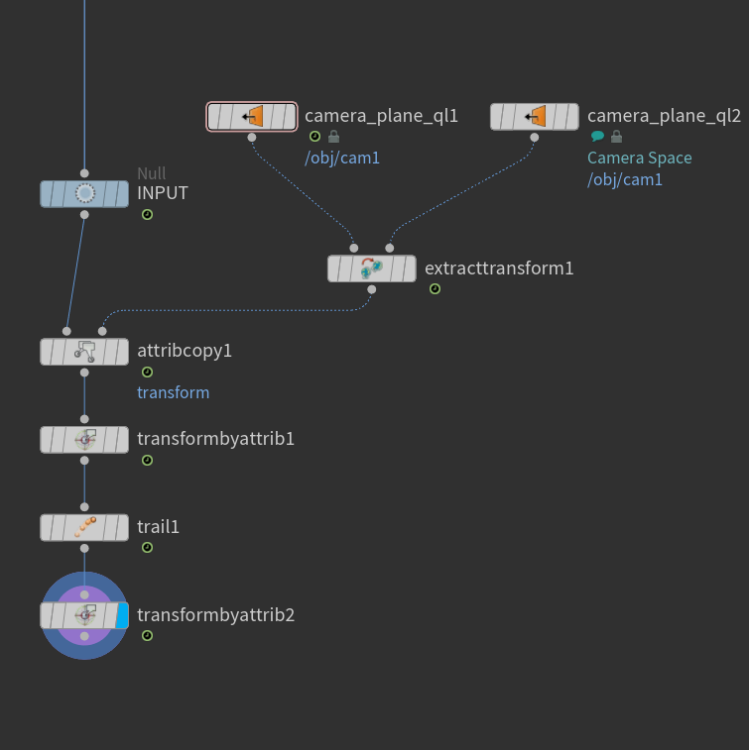
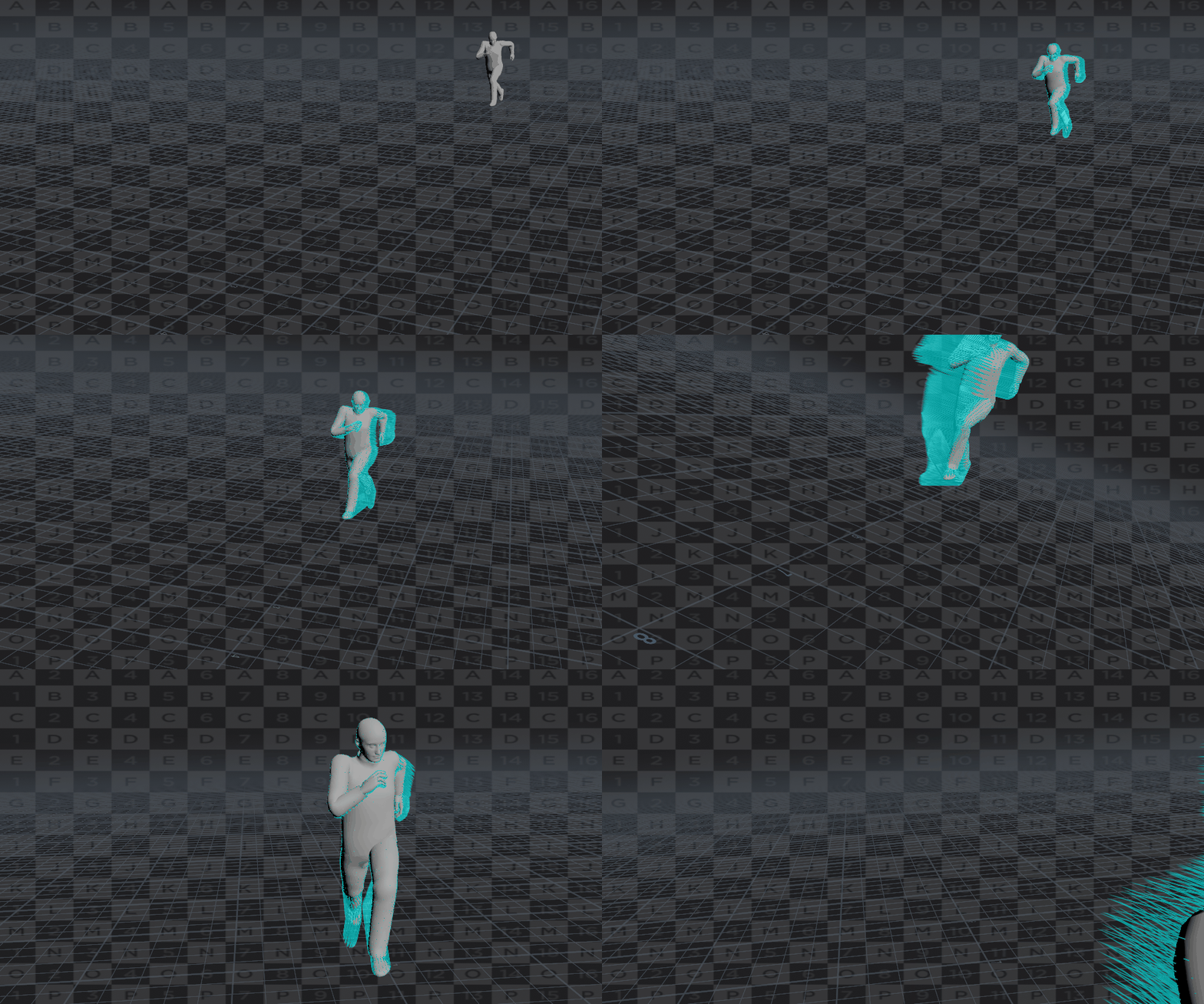
I think I have found the perfect solution. This seems 100% correct. Takes into account the camera motion as well. screen_space_velocity_2.hiplc
 4 points
 -
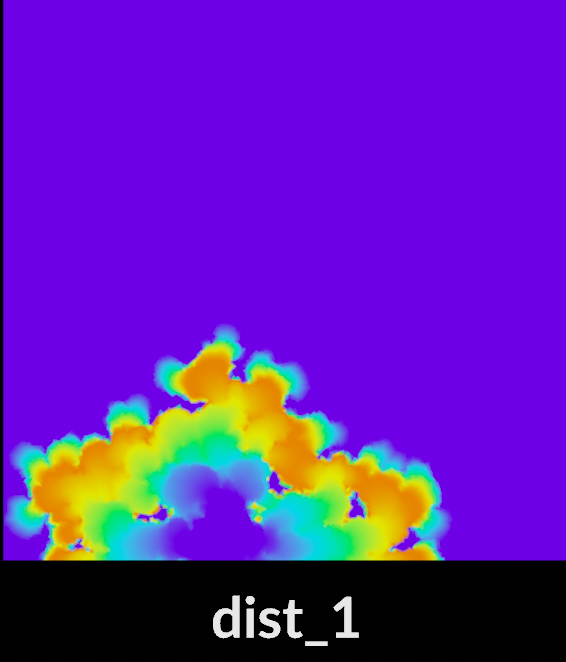
Hi @EdwinFumano, you could calculate a bunch of eikonal distances using attribute fill inside a for loop and remap them as animation: float speed = chf('speed'); float t = @Time * speed; int i = floor(t); float u = frac(t); int n = npointsgroup(0, 'start'); string att = 'dist_' + itoa(i%n); float dist = point(0, att, i@ptnum); float mask = chramp('shape', dist - u + 1.0); float fade = 1.0 - smooth(0.5, 1.0, u); f@mask = mask * fade; setdetailattrib(0, 'active_dist', att, 'set'); infection.hip
 4 points
 -
I do not think a discord is the right thing for odforce, as Marc mentioned, the info get lost easily. Even though you can search etc still is not as nice as having it in a forum.4 points
-
You can also use the clip node (clip attribute). The attribute can be generated by some random function (combined sin, cos, ...). You can clip your curve into two complement sets. One of these parts can be resampled for the dots and the other for the lines (ribbons). Here is a file with some ideas. clip_carve_lines_dots.hipnc3 points
-
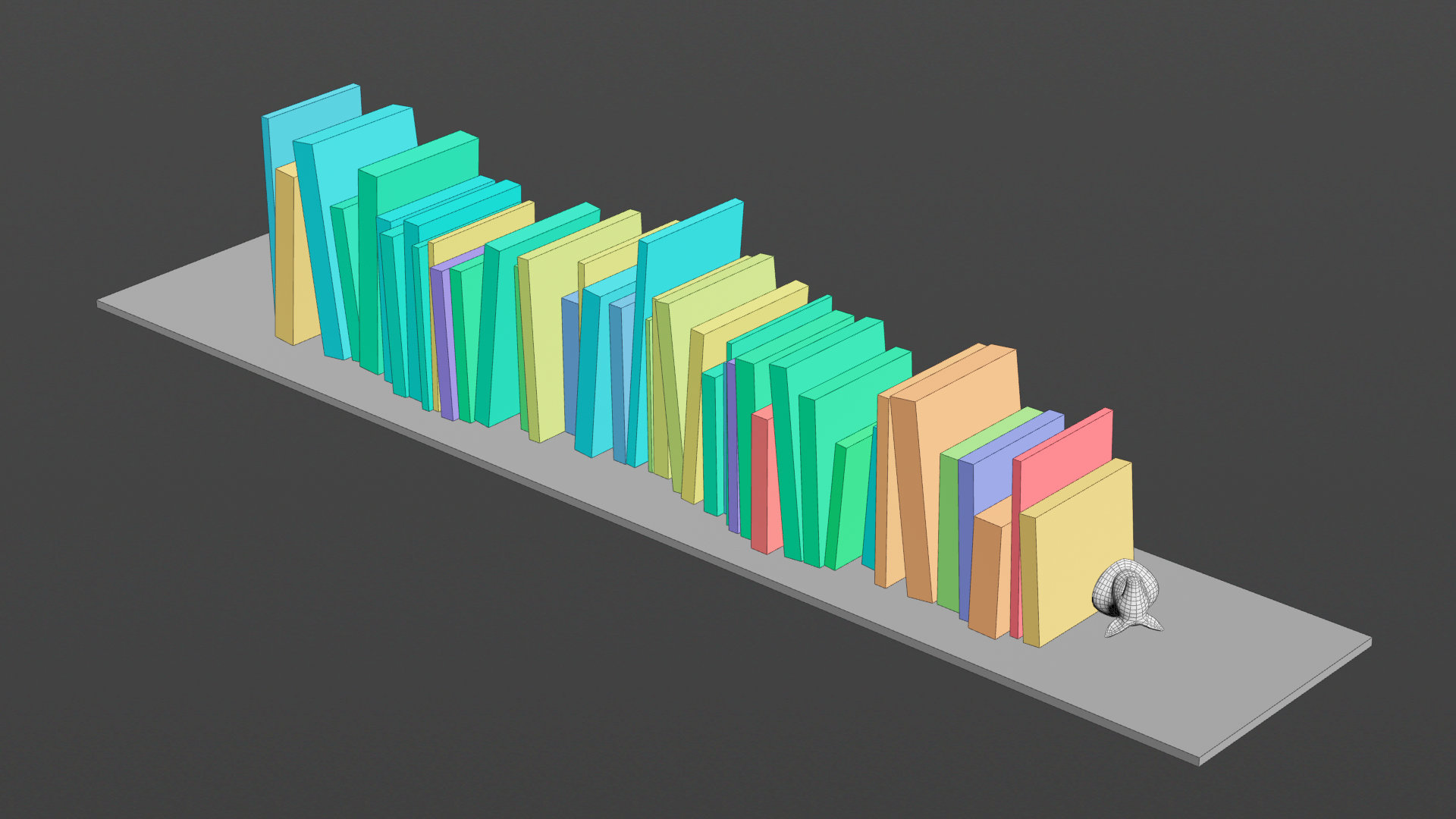
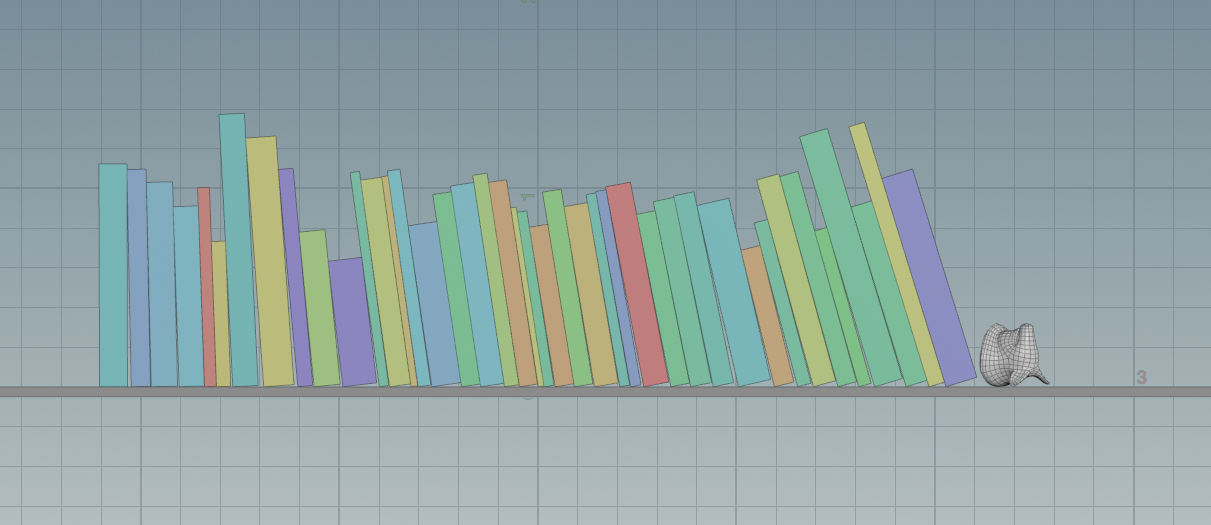
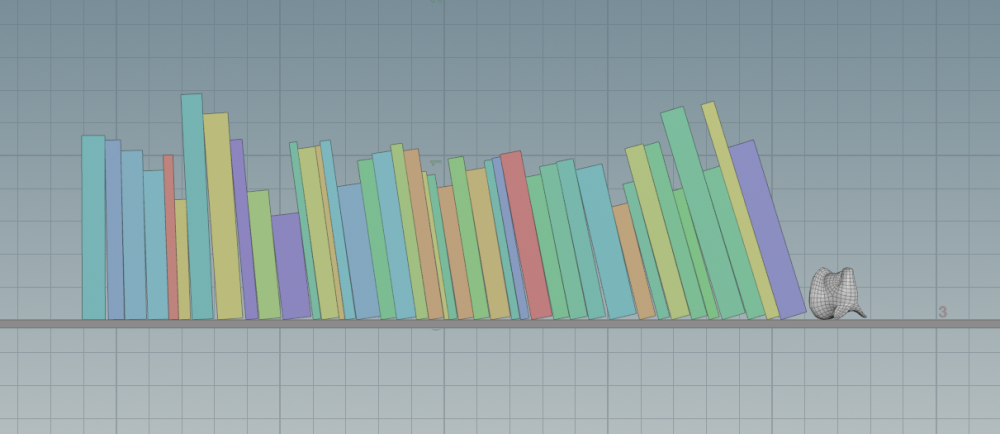
The UV layout-node lines up the books. Just disable the axis alignment and pack into UDIM tiles. book_shelf.hip books_shelf_3d_od.hip
 3 points
 -
Hey Hannes, my experience with it as been a mix, some people usually the one with less experience, want to copy basically the concept, idea, design one to one to with the generated image and people who really understand or have more knowledge in the whole process usually get ideas of the image but they do not want to copy it, if that make sense. Lately though more and more people is using, and with the ones that have less experience is tough to make them understand that is not as easy as they think, I have been in meetings with clients and trying to explain the whole thing is tiring. With that said these type of clients are few though, most of the people that I work with, clients and co worker get the picture. Now where all this is going, I do not think anybody cant really answer that yet. We can def see some benefits but also negatives about this whole AI thingy.3 points
-
untitled.mp4 something like that ? just create veloctiy from the center and control the intensity by age ramp3 points
-
Hi Every One! My first post here. Venkys Turbulence is officially launching as the Indie Edition for Houdini 21.0.440 It’s ABSOLUTELY FREE!!! https://venkyshoudini.gumroad.com/l/venkysturbulence If you wish me to continue supporting future versions of Houdini, please share it with everyone! Venkys Turbulence is the world's first truly physically based turbulence solution for CG fluid simulations like pyro. It's the next major evolution in the field since the introduction of wavelet turbulence in 2008. This is not based on any Technical Paper. ( unless I write one ) I hope you all see its true potential and share it with everyone. Have fun!3 points
-
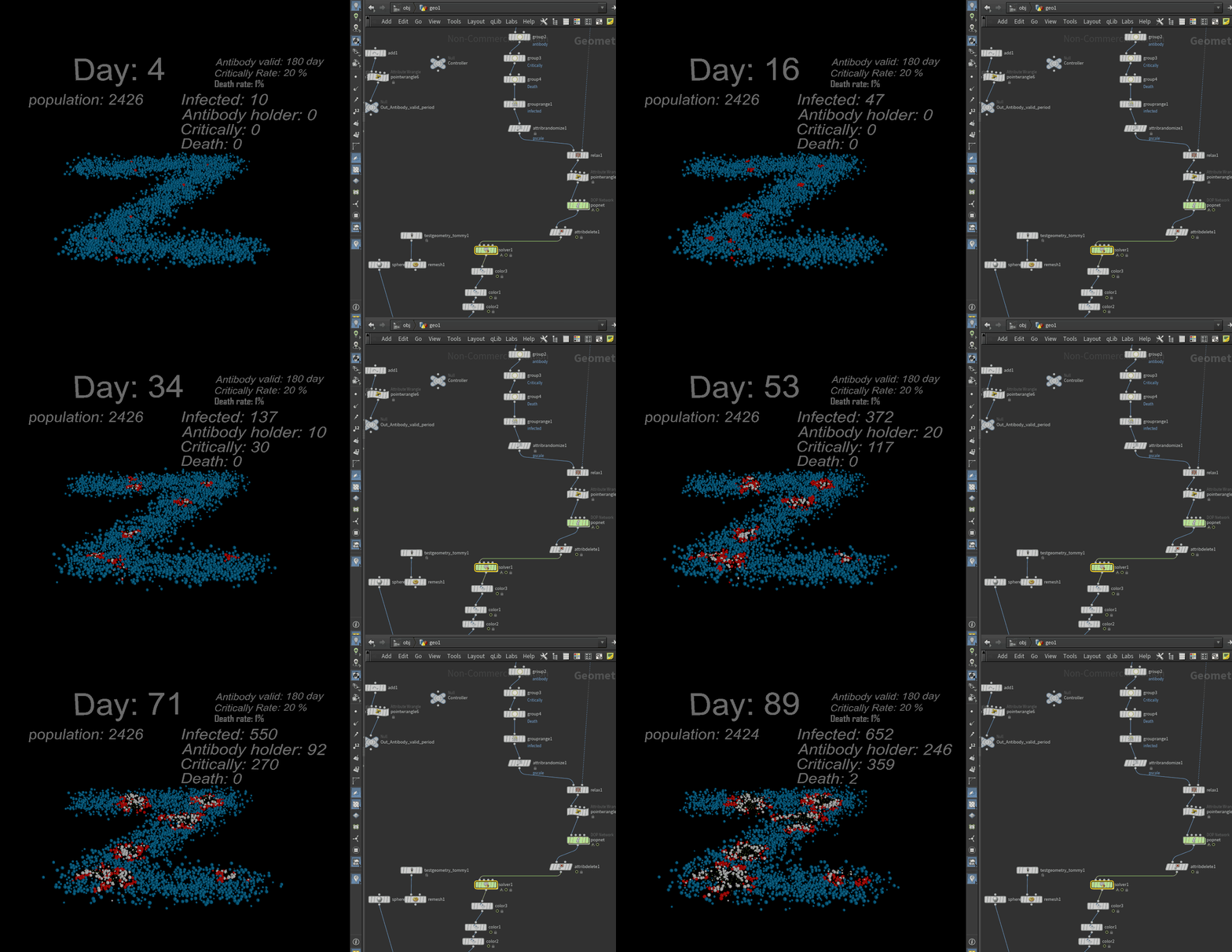
Studio ??? Talk to your manager right away and give these guys a job @hannes603 @konstantin magnus if they need a job.. Find Qiita website . !Advent Houdini 2020! you have Files for Infect and very Nice tricks for making those effects and much more using same Logic . Then(TIP) When you have Full Code that Works in Houdini you can Make anything in chatgpt(reverse and investigete) Now days. Have a nice Day .
 3 points
 -
Here are some ideas using this on curves (if I understood correctly) shift_points_along_curve.hipnc3 points
-
AOV_v04 using for mine Projects no errors ..Tricks AOVs_H20_v05.hip AOVs_v04Srle.hiplc2 points
-
Nowadays you would rather use the group expand node, though: https://www.sidefx.com/docs/houdini/nodes/sop/groupexpand.html group_expand.hip2 points
-
Small update on minimal surfaces using the poisson equation and some more modern nodes. minimal_surface.hip2 points
-
New video on how USD Render Prims work and how to use the new Render Pass prim.2 points
-
Here is an approach combining resample nodes with sweep, noise and polycut. The VEXpression offsets the noise for each line. morse.hip
 2 points
 -
I spent a fair bit of time trying to figure this out today so I figured I'd post a quick tutorial for posterity. The only other guides and info I could find were specific to getting pscale and Cd into C4d for Redshift. Nothing on orientation or other attributes generally. Long story short: - Unless your attribute is explicitly typed (i.e. Vector, Quaternion, Matrix instead of 3flt, 4flt, 9flt) C4d will read it as a float (or "Real") - Orientation is handled by the "Alignment" TP channel, so you need to convert your @orient to a matrix3 before export Hope this saves someone else some time.2 points
-
This is the Feedback loop I was talking about: If you sort the prims by increasing rotate attribute, you can pack them tight against each others like this, by repeatedly Ray SOP'ing the latest prims against the prims already in place, and translating by the minimal distance This is an approximation to keep the Feedback look simple, there are a few intersections, but it's acceptable. If you want to pack exactly, you would have to ray SOP the points of the prims that are already in place against the candidate primitive, and handle the possible problematic cases, which I'm sure exist If the candidate book is taller than the rightmost book that's already in place, it will not lean against the top right corner of the rightmost book,there is some slight collision. If the book is shorter however, this is always exact. book_shelf.hipnc
 2 points
 -
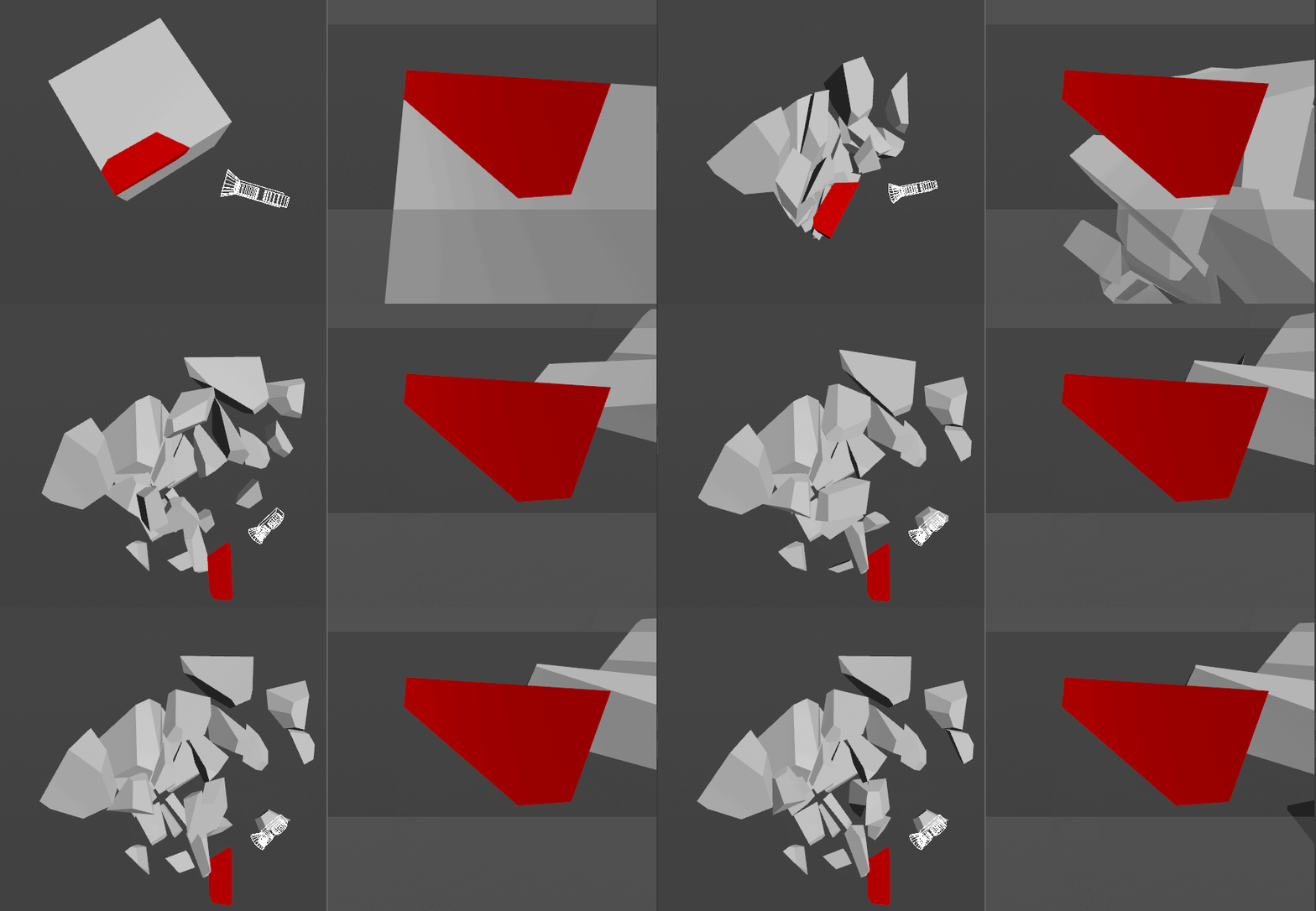
Rivet should work. camera_rivet_v01.hipnc
 2 points
 -
Hi, insert an attribute wrangle into connection wire of the rbd bullet solver sop first input, copy and past this code: vector centroid = getbbox_center(0); vector vel = normalize(@P - centroid) * ch("scale"); v@v = vel; It should work in your scene without other changes.2 points
-
I know this is an old post but for anyone looking for answer https://www.instagram.com/p/CpKmOwVD2t_/2 points
-
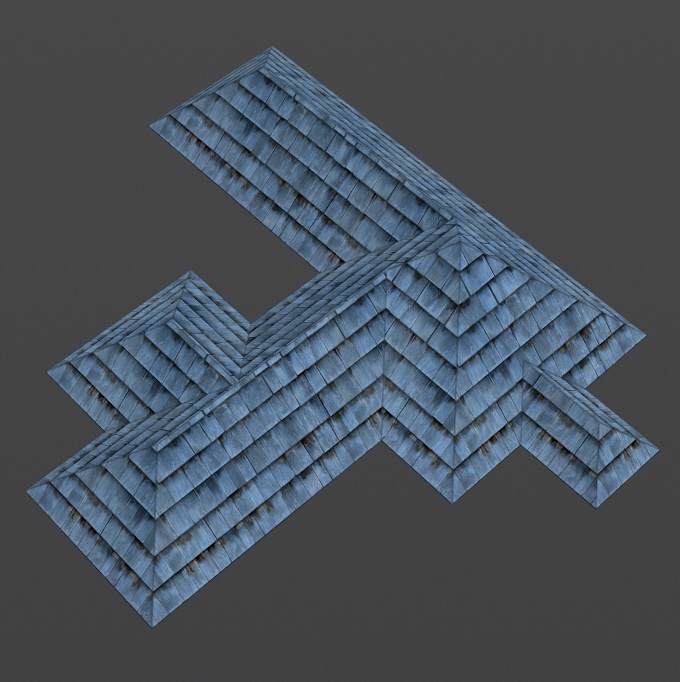
Or you use VEX to apply UV coordinates onto the roof: // VERTEX WRANGLE float s = ch('uv_scale'); vector up = {0,1,0}; vector nml = normalize(prim_normal(0, i@primnum, 0.0, 0.0)); vector tang = normalize(up - dot(nml, up) * nml); vector bitang = normalize(cross(-nml, tang)); vector pos_rel = v@P - prim(0, 'P', i@primnum); float u = dot(pos_rel, bitang); float v = dot(pos_rel, tang); v@uv = set(u, v, 0.0) * s; Align each polygon to the bottom left corner of the UV space: // VERTEX WRANGLE string geo = geounwrap(0, 'uv'); vector size = getbbox_min(geo, itoa(i@primnum)); v@uv -= size; roof.hip
 2 points
 -
Hi @lacer8, you may want to look into @animatrix' setup here: https://www.sidefx.com/forum/topic/84345/#post-3646362 points
-
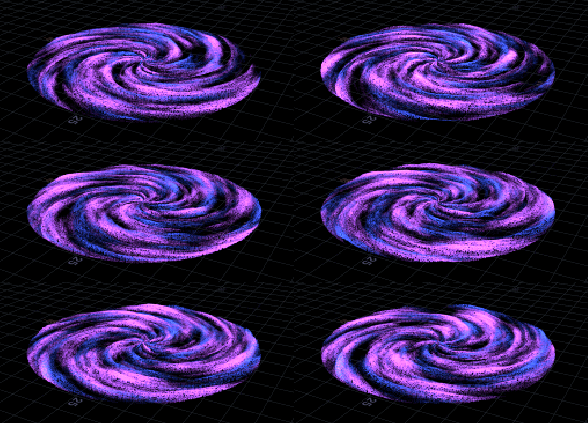
I worked my way through the spiral particle galaxy tutorial on SideFX. Here is the HIP file for part-1. ap_galaxy_particles_tut_061725.hiplc
 2 points
 -
Hi @millsy, maybe start with sweeps as they provide output attributes like primcol to later create patterns. straw_weave.hip2 points
-
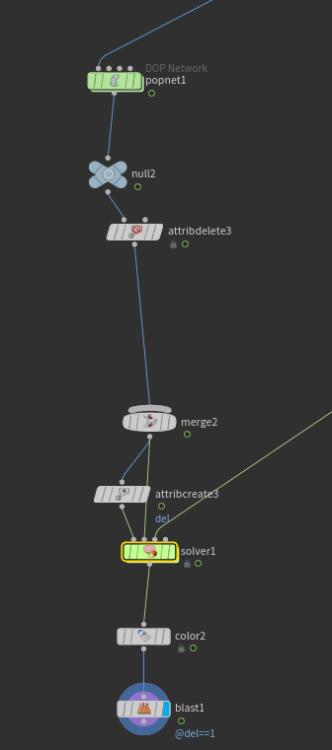
sure you can also do it post solve pretty much the same way .. you only need to accumulate all particles in the solver and remove them afterwards.. otherwise id hase no corrosponding ptnum untitled.mp4 infection_with_changing_point_count_post_solve_simple_improved.hip
 2 points
 -
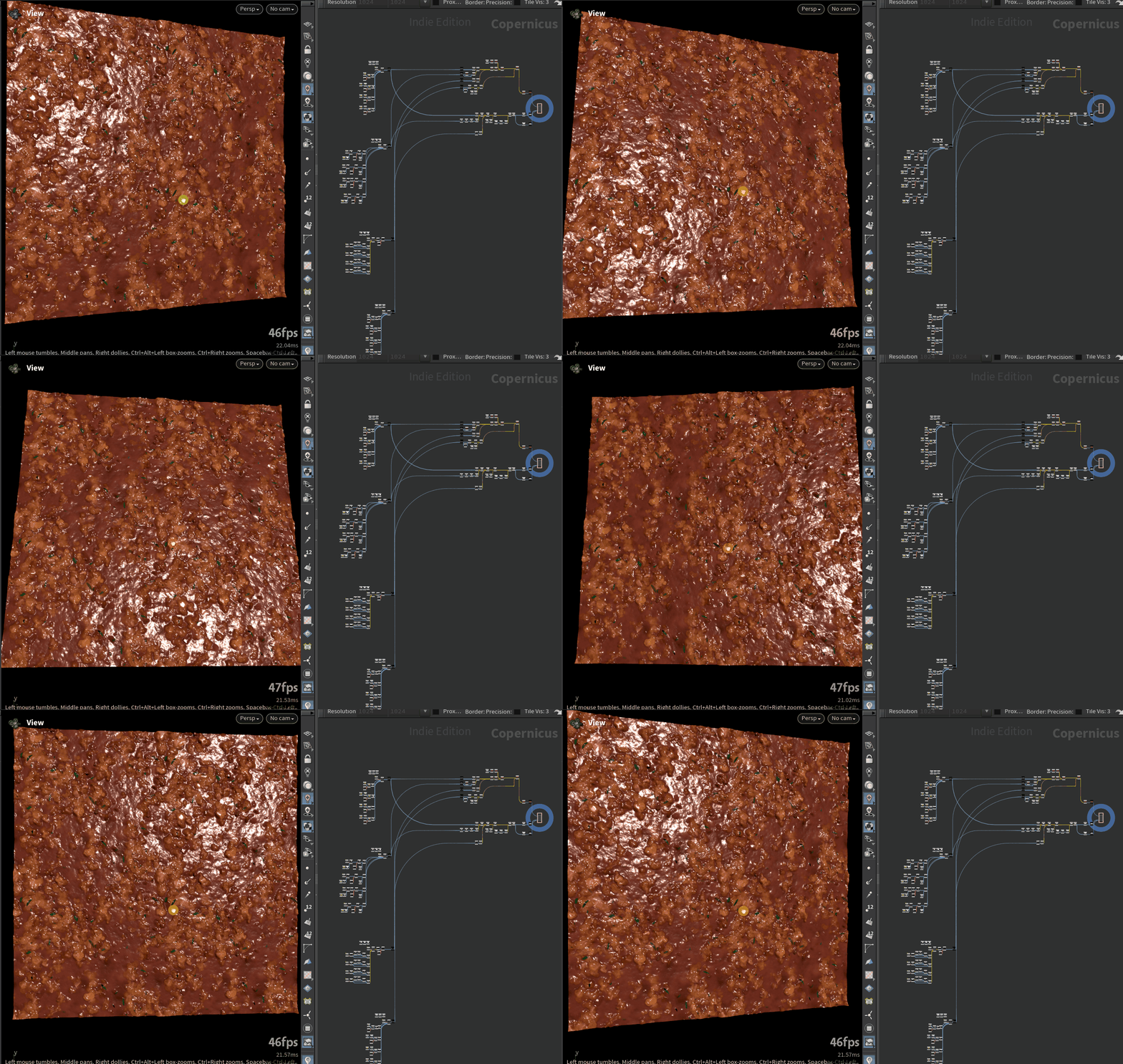
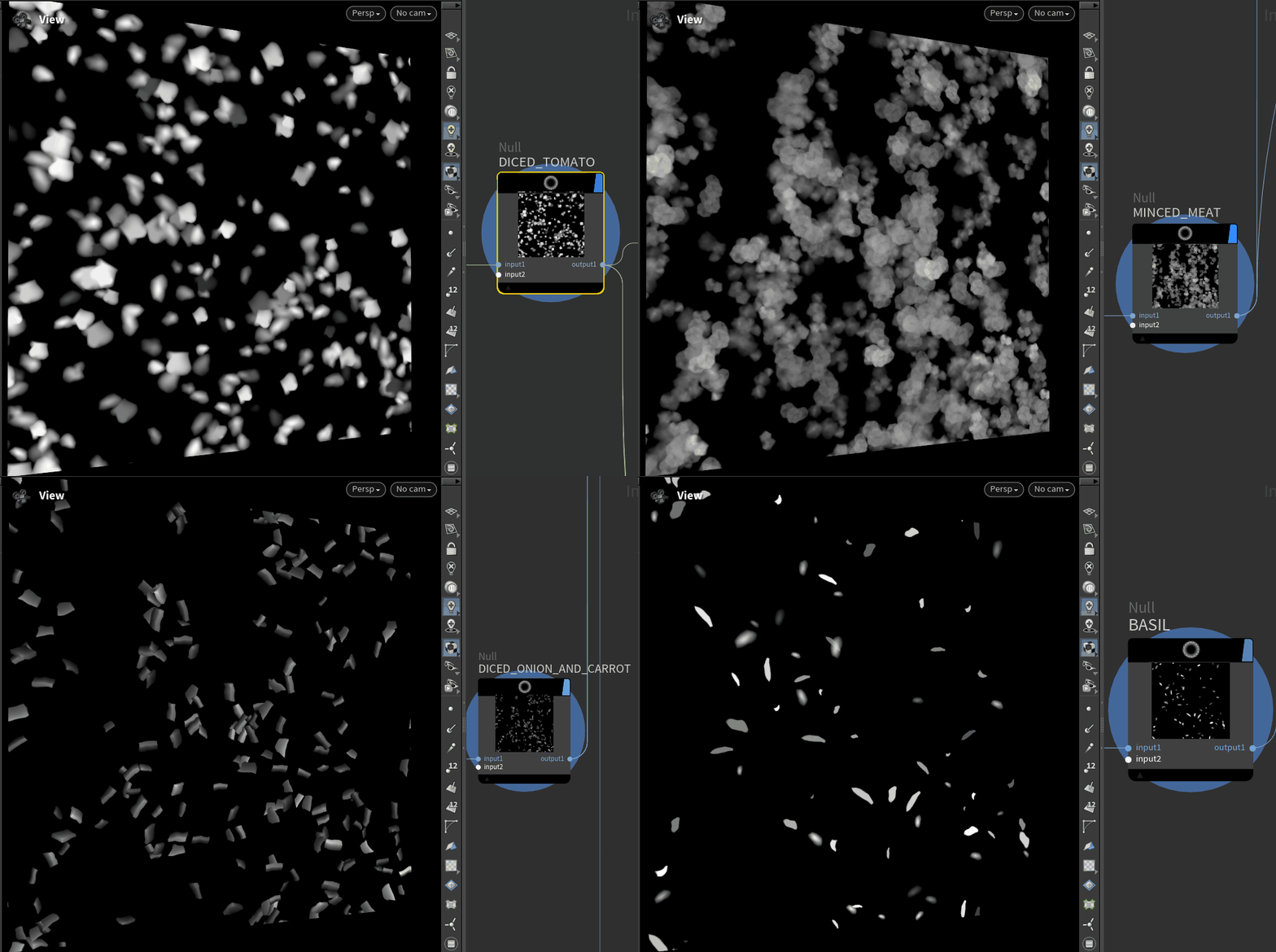
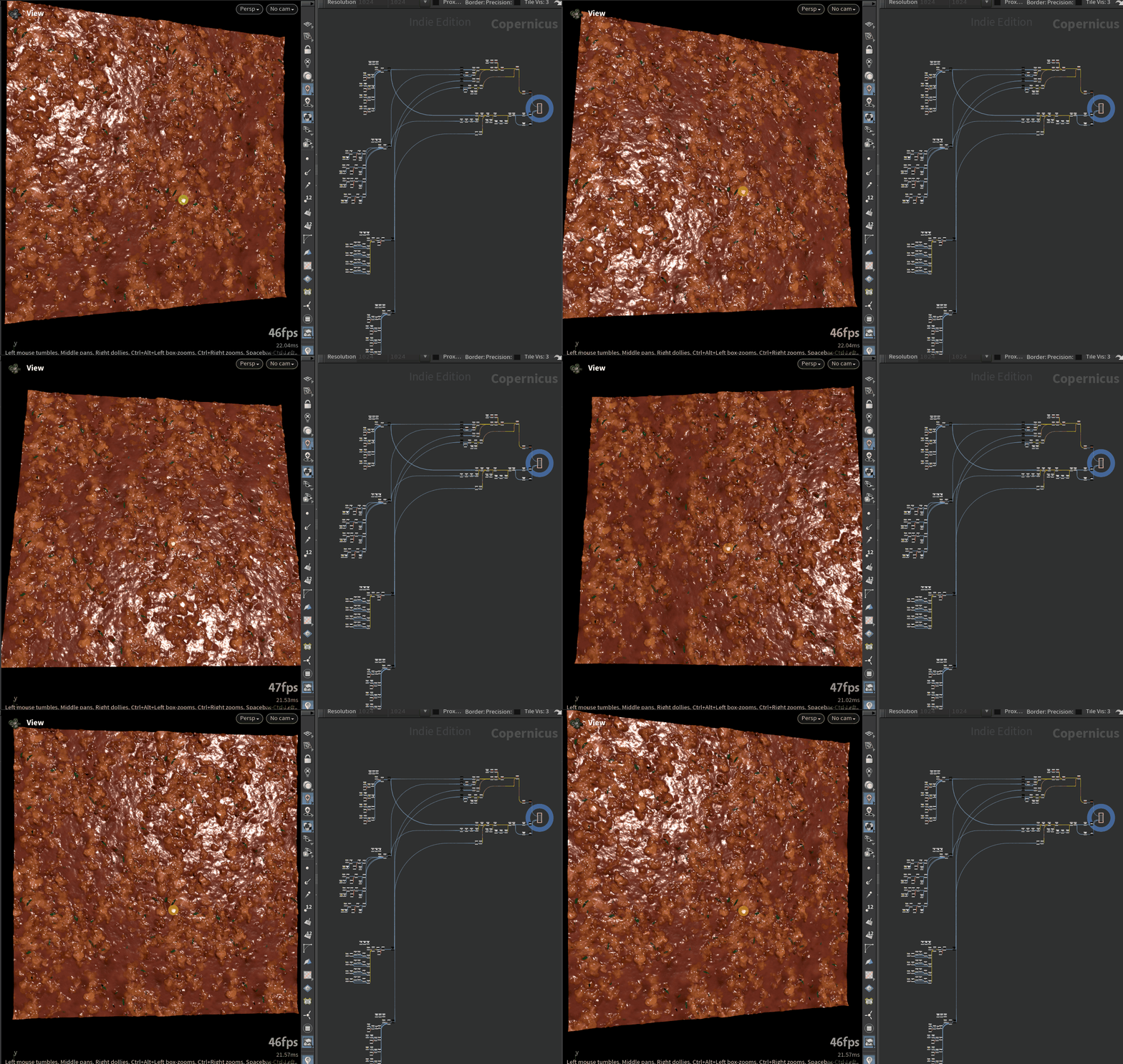
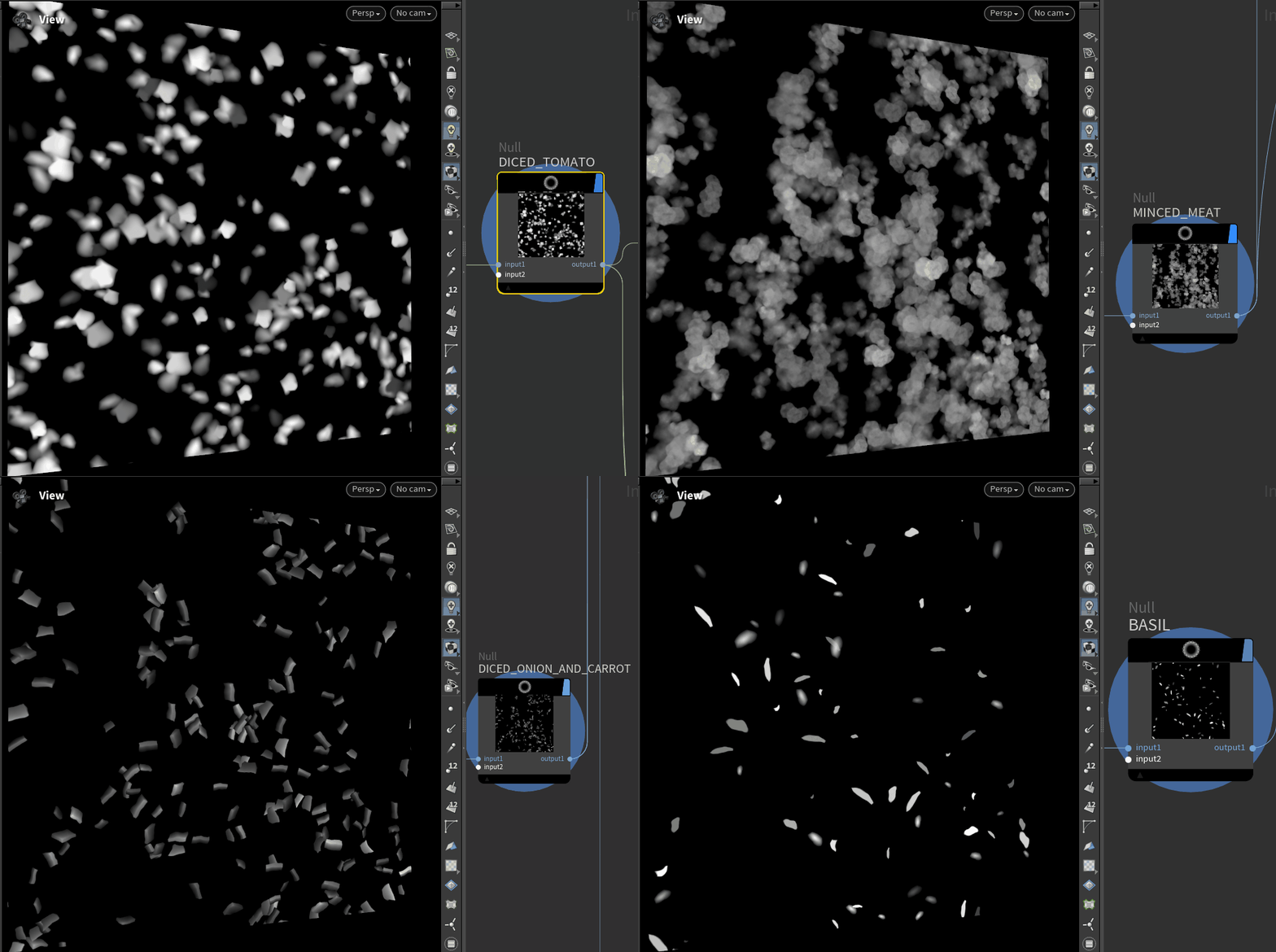
I'm working on a personal project starring a pasta monster, I had to create a bolognese sauce for it. I tought it could be fun for others (at least to look around in COPs). Have fun with it! bolognese_cops.hiplc I followed this article and tried to replicate what he did in Substance Designer, but using COPs. Copernicus is indeed amazing!! https://80.lv/articles/making-fusilli-pasta-material-with-substance-3d-designer-houdini The ingredients:
 2 points
 -
collision_passes_100.mp4 collision_passes_10.mp4 col_passes_vellum.hip col passes 100 vs 10 jfyi2 points
-
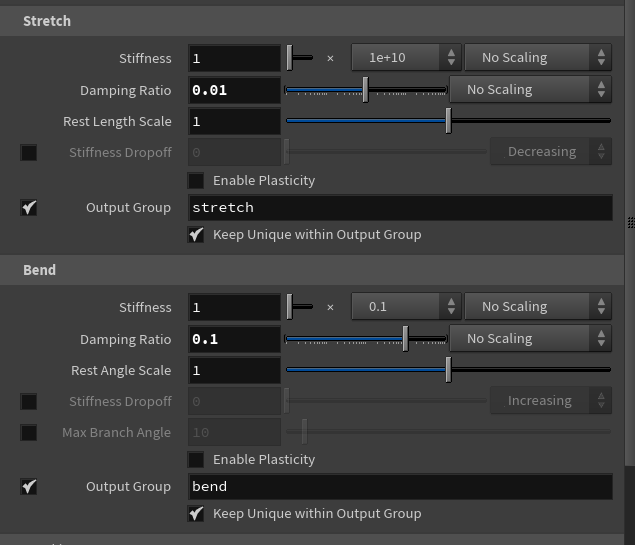
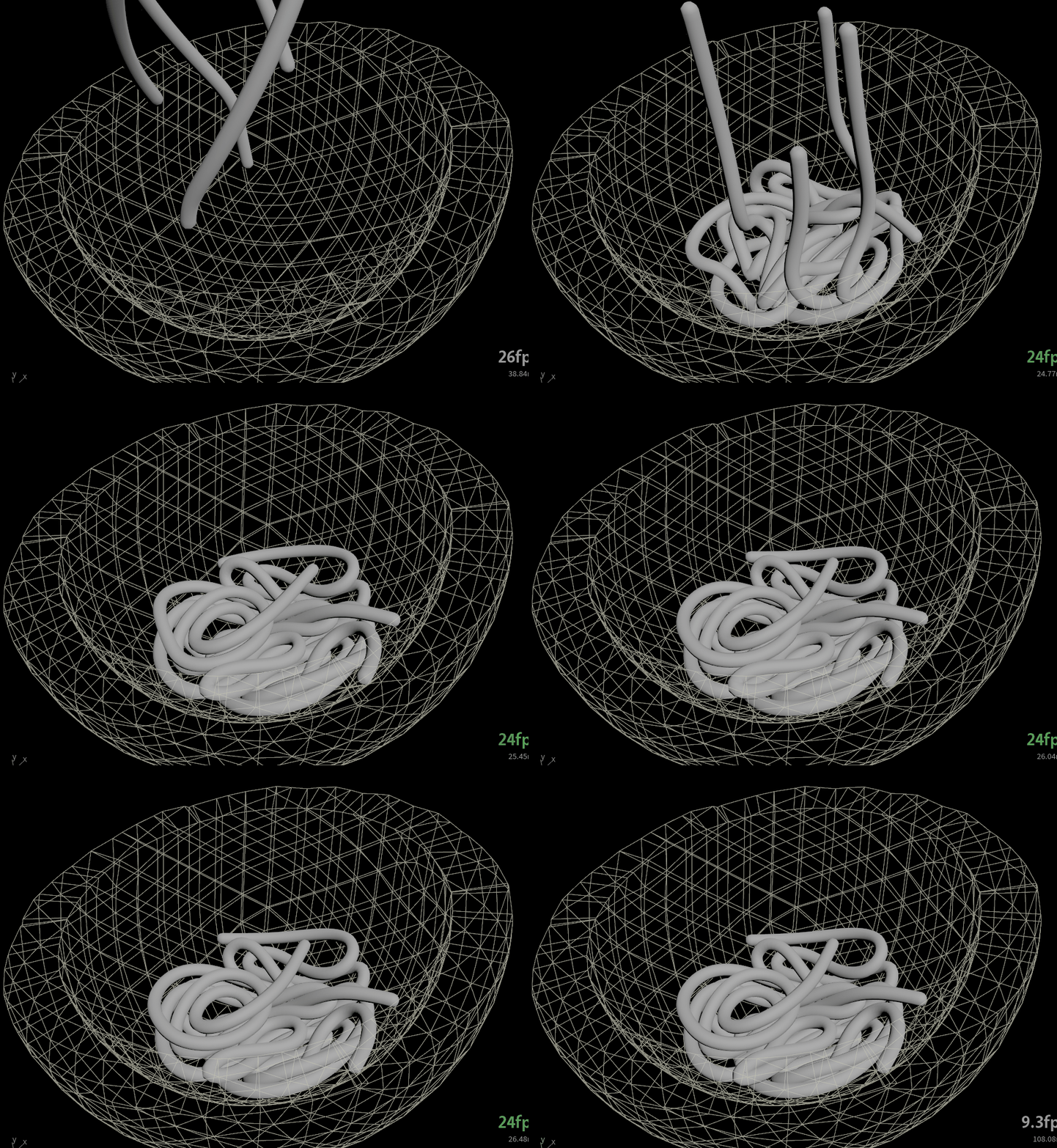
Ha! Found it. Bend Stiffness and Damping Ratio is the key, and I also used 5 substep.
 2 points
 -
This could be due to the internal order of the point group. try shuffling starting points by randomly picking a point number out of the array: int seed = chi('seed'); int pts[] = expandpointgroup(0, 'start'); int iter = detail(1, 'iteration', 0); int pick = pts[int(rand(iter, seed) * len(pts))]; i@group_boundary = i@ptnum == pick; infection_multiple_01.hip2 points
-
This is what I could come up with. Uses 1 qLib node (Camera Plane ql). screen_space_velocity.hiplc2 points
-
@sipi maybe //box ndc vector offset = {0.5, 0.5, 0}; vector cameraScale = set(ch("camera_X"), ch("camera_Y"), 1); if (@group_near) @P = set(@P.x, @P.y, ch("near")*-1); if (!@group_near) @P = set(@P.x, @P.y, ch("far")*-1); vector xformpos = @P * maketransform(0,0, offset,{0,0,0},cameraScale,{0,0,0}); @P = fromNDC(chs("camera_path"), xformpos);
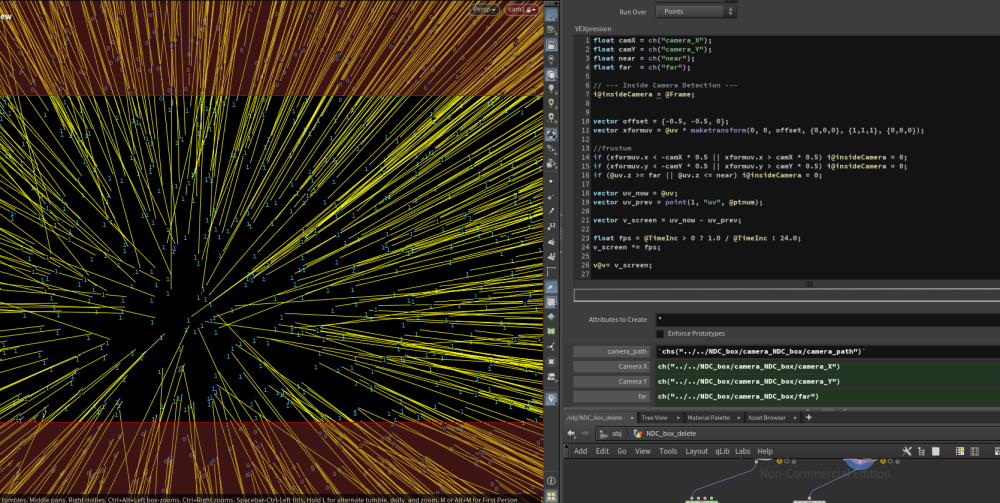 2 points
 -
You have a vex function called toNDC where you can use your velocity information to transform it to normalized raster coordinates. Even if it says it's only well defined in shading context it seems to work in sop as well.2 points
-
https://forums.odforce.net/topic/52360-heightfields-guided-by-pyro/#comment-238377 you have endless Way to make this .2 points
-
Yeah, but only works on straigth line @Aizatulin's file is awesome!2 points
-
Upskilling. Tried new stuff. Demo in below link!! For More info: https://www.linkedin.com/posts/chandrakanth-santharam-6b8b3527_houdini-template-manger-10-activity-7333552173038845952-0RUG?utm_source=share&utm_medium=member_desktop&rcm=ACoAAAWvTKwBN4lVJ6vJC07NTnwyTd6gViVRL4U Cheers!!2 points
-
Hello fellow magicians I've released my latest project Skull Beach and raised some interest regarding the method I used for the foam. I want to share a hip file with the basic principle behind this fx. Have fun with it, improve on it, and don't hesitate to share your creations! vellum_foam.hip2 points
-
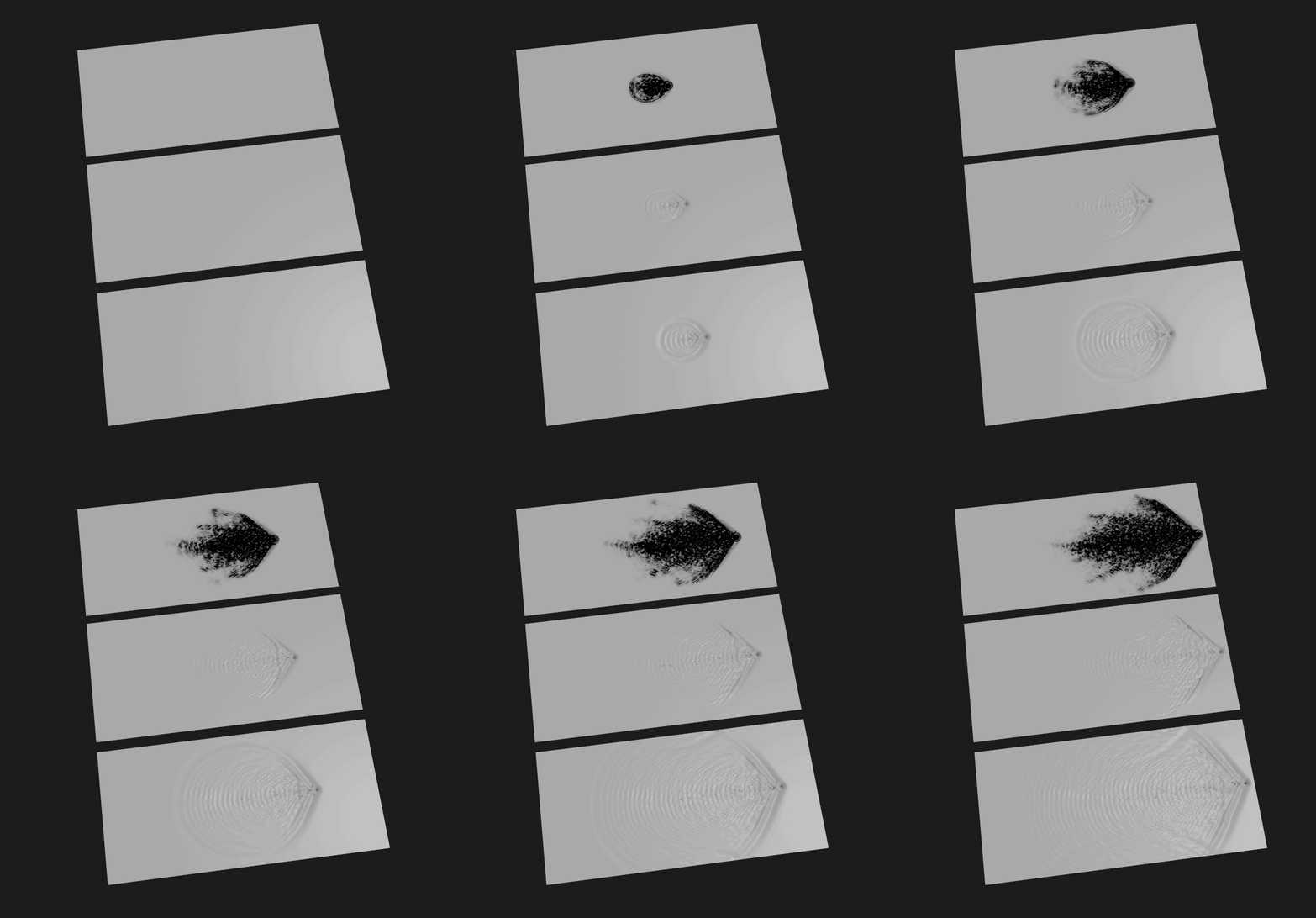
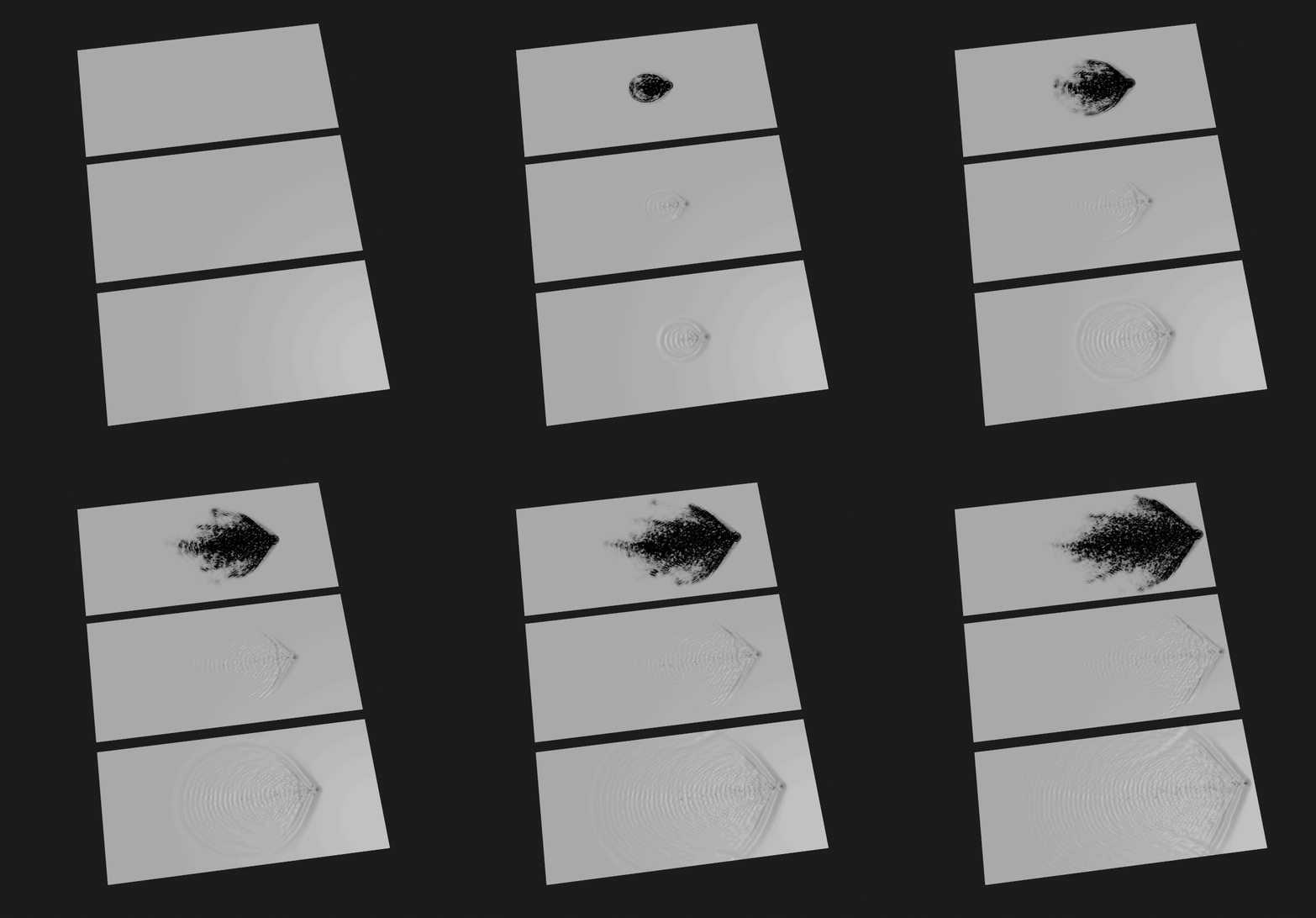
There're many ways to control motion, fade over time, power, curvature, distance from a boat and so on. Ripple source is important first of all, not just one spot, but boat edge, leading area and so on, need more work here for a good result. Mask by curvature as an example. wave_v03.hip
 2 points
 -
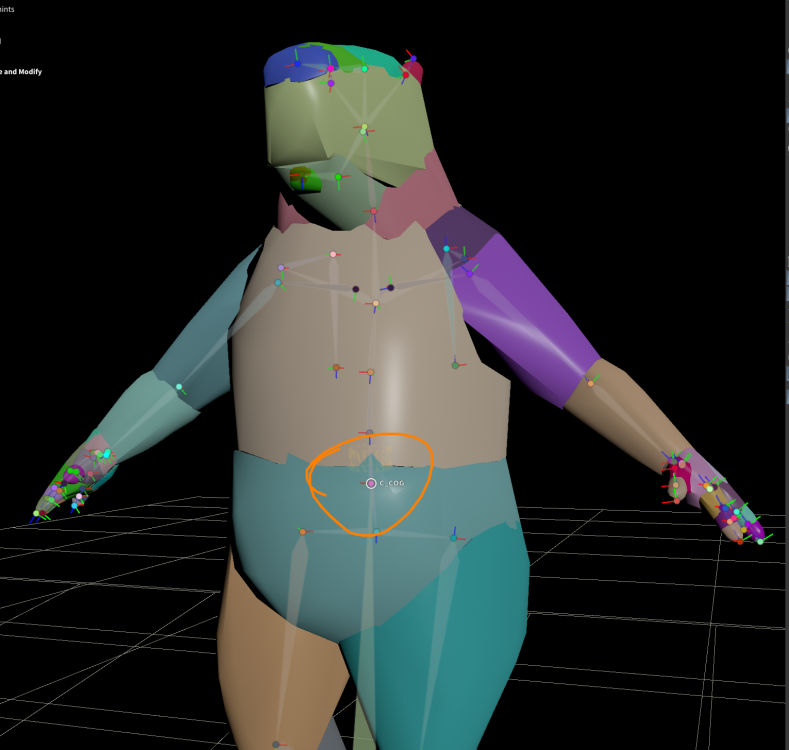
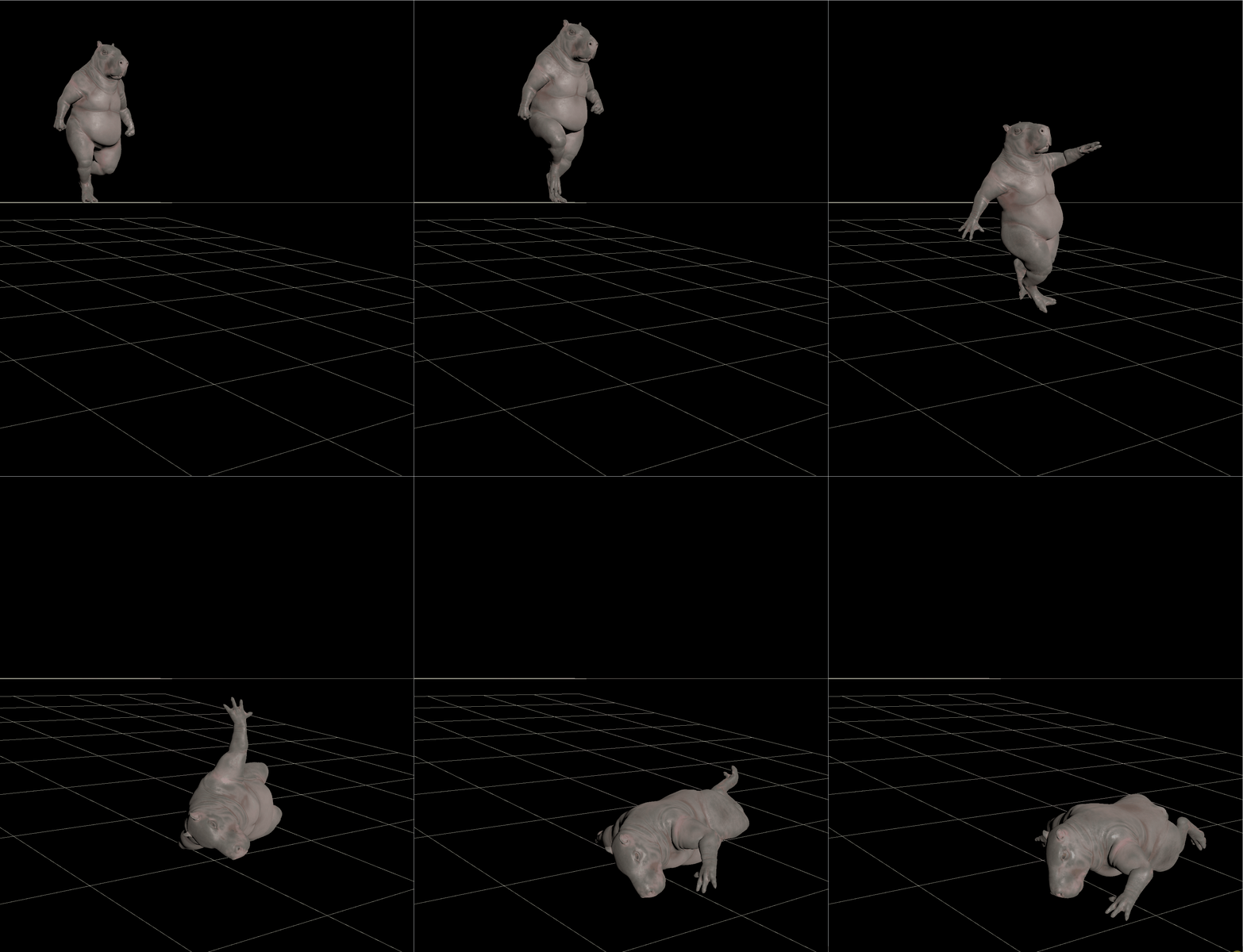
So I fixed it. The issue was quite simple. There was no collision shape for this specific bone. I just had to click on it to create a coll shape, I didnt even resized or moved it. All those shapes doesnt look very optimized though, but it works well for what I need. Ragdoll_0102.hip
 2 points
 -
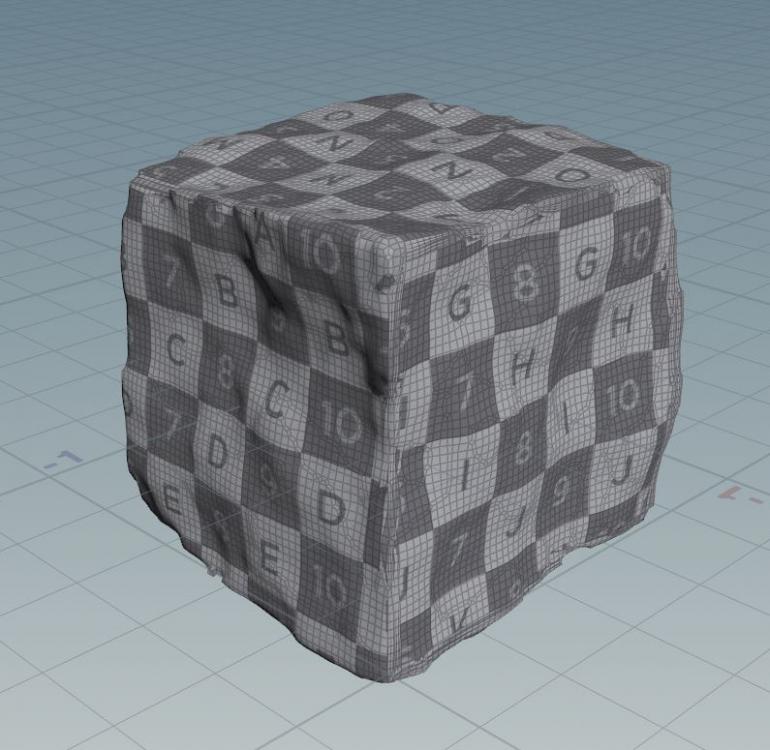
I don't know why in your setup the transfer only works partially, but you can effectively use an attribute from Volume. You just have to be careful that when in your vdbFromPolygon, to host your uv, you create a second VDB. For attributeFromVolume to use the right VDB, you have to delete the VDB density. (Just call @name=uv group in the attributeFromVolume don't work for me). However, on the edges, it's not perfect. I'm also not sure what the proper procedure is. uv_Volume_F.hip
 2 points
 -
Yep, kinda like this but devil's always in the details and you have to account for oversampling (timestep) of the sim, especially with age accumulation. You only need the Gas Field VOP to use increment age by the timestep using density as a mask btw. Everything else can be done with Gas Calculate (tends to be faster than Gas Field VOP for simple stuff). - initialize age field at sim start channel matching fields from Smoke Object DOP - increment age by timestep using density as a mask (unless you want to add time to all voxels, up to you). - Keep source field around (need to remove "source" from clear fields in Source Volume DOP) - create temporary agetemp field and add source field reset to be constant timestep (you can't count on source always being set to 1) - Add agetemp to age - advect age I haven't really thought about the best order of things: - when to add agetemp to age. Before or after advection. Open to suggestions/advice. See the attached hip file for an attempt at this. age_field.hip This temp field is pretty hard to read in the viewport when it is visualized as it is kind of like density but counters velocity (to be expected as faster areas should be darker when visualization set to greyscale for age). it looks to be kinda correct. I hope...2 points
-
Hi, another method is that this group you created is your preselect group, so lets assume to call it preselect. Now put down another group sop, set it to points, turn off the enable toggle on the first page, go to edge tab, turn it on. Turn on edge depth, and in the points group field choose your preselect group, then adjust your edge depth accordingly. I use this all the time.2 points
-
Search google houdini revolve, there are many examples of usecases. revolve.hipnc1 point
-
You know what I actually noticed when I imported the ABC into C4D R20 that there was a polygon selection for each section of the extrude including the side, so that worked out. The 2nd image was just an error in my Normal node (cusp angle was off). Thanks so much for your help!1 point